Expert Tire Maintenance: Get Back on the Road Safely and Without Delay
Expert tire maintenance play a vital role in ensuring vehicle security and efficiency. Trained technicians conduct thorough inspections to detect various tire problems. From punctures to alignment problems, each concern needs careful attention. Understanding when to obtain professional assistance can prevent further damage. As drivers handle these difficulties, they may question about the best restoration options and upkeep practices. Investigating these topics can lead to knowledgeable decisions and safer journeys ahead.
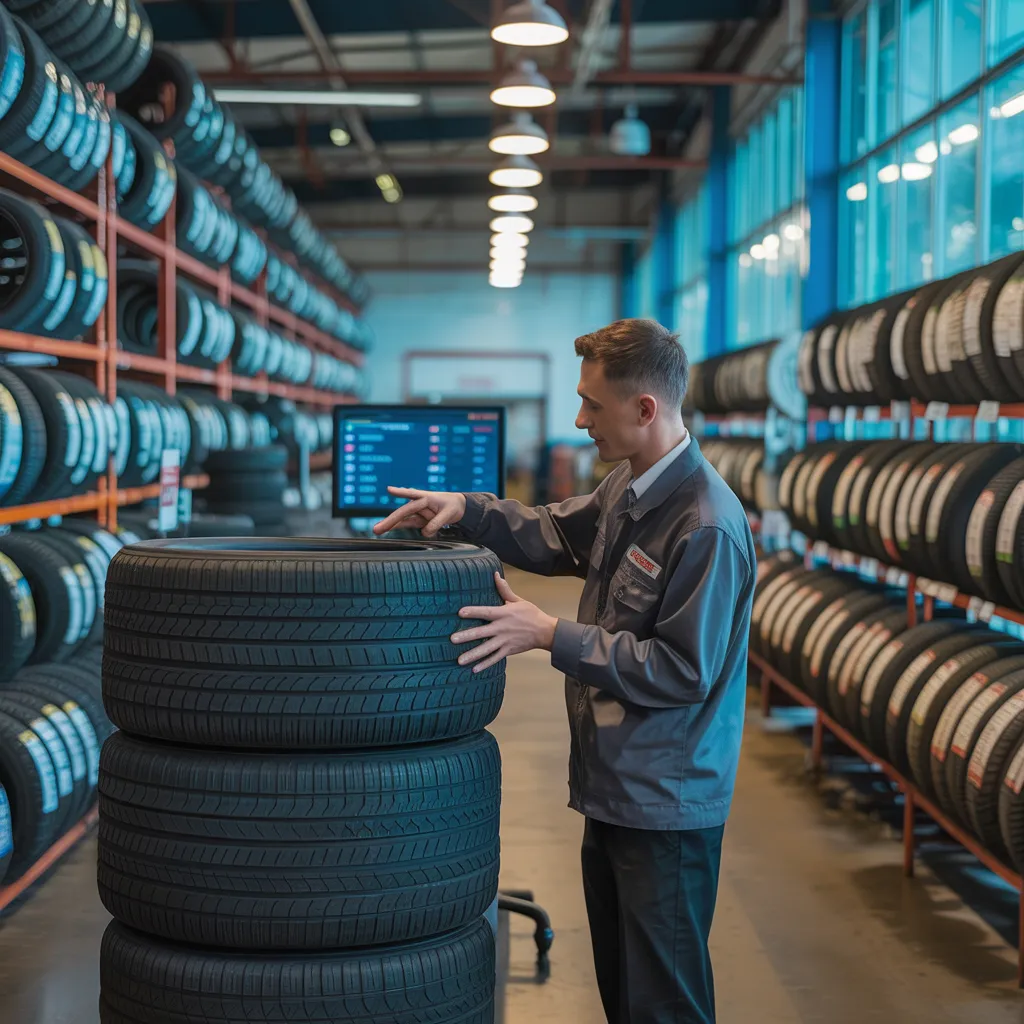
Everyday Tire Obstacles to Remember
When drivers fail to check their tires, they may experience several frequent concerns that can affect safety and performance. One frequent occurrence is underinflation, which can cause increased tire wear and reduced fuel efficiency. Over time, this can result in the tires to overheat, boosting the risk of a blowout. Another common problem is tread wear, which impacts traction and handling, particularly in wet conditions. Uneven wear may indicate alignment or suspension issues, demanding further inspection. Additionally, drivers may face punctures or sidewall damage from road hazards, leading to slow leaks or complete tire failure. Consistent tire rotations, regular inspections, and appropriate inflation are vital for preventing these issues. Finally, environmental conditions can also additional info contribute to tire degradation, making it vital for drivers to stay vigilant about their tire health. By understanding these common problems, drivers can enhance their safety on the road.
When to Recognize About Getting Tire Service: A Tutorial?
Identifying the markers that tire work are vital is key for maintaining vehicle protection and performance. Drivers ought to stay alert for specific warning signs that suggest tire issues. Uneven deterioration formations on the contact surface, for example, may reveal alignment complications or inadequate air pressure. Moreover, visible damage, like cuts, bulges, or punctures, commonly demands quick attention. A rapid reduction of air pressure or recurring requirement for air filling also indicates that repairs may be required.
Drivers should carefully observe handling and performance changes, such as vibrations or pulling to one side, which could signal tire imbalances or internal damage. Finally, regularly checking tread depth is crucial; tires with patches of wear reduce traction. By monitoring these signs, drivers can guarantee timely repairs, increasing both safety and vehicle longevity. Addressing these issues promptly not only thwarts potential accidents but also saves on more extensive repair costs down the line.
A Overview to Learning About the Tire Maintenance Process
The tire repair process typically involves several crucial phases to guarantee safety and efficiency. Initially, a technician examines the tire for visible damage and assesses its overall condition. This examination helps determine whether the tire can be repaired or needs replacement. Following the inspection, the technician may remove the tire from the wheel to identify punctures or internal damage.
Once any issues are located, the specialist sanitizes the damaged area and readies it for repair. This may include applying a seal or plug, based on the type and location of the damage. After the repair is finished, the tire is remounted and properly inflated to the manufacturer's specifications.
Finally, a quality check establishes that the repair meets safety standards. Throughout the process, experts value feedback exchange, informing the individual of findings and proposals. This structured approach promises a solid restoration, letting drivers to return to the road with trust.
Do-It-Yourself Tire Service versus Professional Support
Upon grasping the tire repair procedure, many motorists may consider whether to handle fixes on their own or pursue expert support. DIY tire fixes can be appealing, notably for those with elementary mechanical abilities and tools. Basic punctures can often be mended using repair kits found at auto retail stores, reducing both hours and funds. However, this method involves dangers if proper techniques are not employed, likely leading to further harm or security concerns.
However, professional tire repair services present expertise and specialized equipment. Trained technicians can carefully assess tire issues, confirming repairs are effective and secure. They can also recognize hidden concerns that a do-it-yourself method might overlook. Finally, the decision regarding professional assistance versus DIY repairs copyrights on the operator's assurance, experience, and severity of tire damage. Reaching an educated decision is essential for ensuring safety on the road.
Steps for Choosing the Superior Tire Repair Service
How can drivers ensure they choose the best tire maintenance service? First, they should investigate nearby options, focusing on customer testimonials and scores. This information provides understanding into the quality of service and reliability of various shops. Next, verifying for certifications and partnerships with established automotive organizations can demonstrate professionalism and expertise.
Moreover, motorists should inquire the repair options available, confirming the service can resolve their specific tire issues. Transparent pricing is also critical; trusted shops give clear quotes without hidden charges.
Moreover, examining the shop's repair guarantees on repairs can deliver reassurance. Finally, ease of access is crucial—closeness to your home or workplace, as well as operating hours, can determine the decision. By evaluating these factors, drivers can confidently select a auto repair shop that satisfies their requirements efficiently.
Worth of Attentive Tire Upkeep
Regular tire upkeep provides many advantages that prolong the life span and output of tires. By regularly inspecting tire pressure, tread depth, and overall condition, vehicle owners can ensure ideal traction and handling. Correct air pressure reduces wear, enhancing fuel efficiency and saving money at the pump. In addition, regular inspections can help detect issues such as uneven wear or harm, enabling for prompt fixes that prevent more significant problems down the road.
Properly maintaining tires further raises safety by cutting down the risk of blowouts or accidents from insufficient tread. Moreover, a well-maintained set of tires helps provide a smoother ride, improving comfort for both the driver and passengers. By investing time in regular tire care, individuals can optimize the value of their investment, securing reliable performance and peace of mind while driving. Ultimately, regular tire maintenance is an essential aspect of responsible vehicle ownership.
Tips for Preventing Future Tire Problems
Taking a proactive method to tire maintenance can substantially reduce the probability of potential complications. Frequently checking tire pressure is crucial; insufficient pressure can result in premature wear and lowered fuel efficiency. It is prudent to check tires for visible deterioration, such as cuts or bulges, which may indicate structural issues. Rotating tires every 5,000 to 8,000 miles helps assure consistent wear, extending their lifespan.
Moreover, maintaining correct alignment and balance is crucial to prevent uneven tread wear. Drivers should also examine tread depth, using the penny test as an effective method; if Lincoln's head is visible, it's time for a replacement. Finally, preventing vehicle overload can reduce excessive strain on tires. By executing these strategies, vehicle owners can enhance tire lifespan and create a safer driving experience.

Popular Inquiries Raised
What amount of time is required for a regular tire restoration?
A routine tire repair generally takes roughly 30 minutes to an hour depending on the degree of damage and the exact repair needed. Aspects like technician availability and shop workload can also impact the length of time.
Are All Tire Categories Repairable?
All tire types cannot necessarily be restored. In general, punctures in the tread of passenger tires may be repairable, but sidewall damage, critical wear, or tires with various prior repairs frequently call for new tire installation to guarantee safety.
What Is the Cost of Tire Repairs?
Tire repair expenses generally span from $10 to $30, contingent on the severity of wear and location. Different considerations including tire variety and the repair facility could impact your final cost, resulting in vary.
Does Insurance Cover Tire Fixes?
Tire damage protection differs across insurance plan. Some plans include roadside assistance or repair costs, while others may not. It's essential for people to examine their particular policy details to determine coverage for tire fixes.
What Strategies Can Assist Me Extend My Tire's Lifespan?
To extend a tire's durability, consistent care is important. This comprises sustaining correct tire pressure, changing tire positions regularly, ensuring proper alignment, avoiding overloading, and observing tread depth for traces of damage and wear.